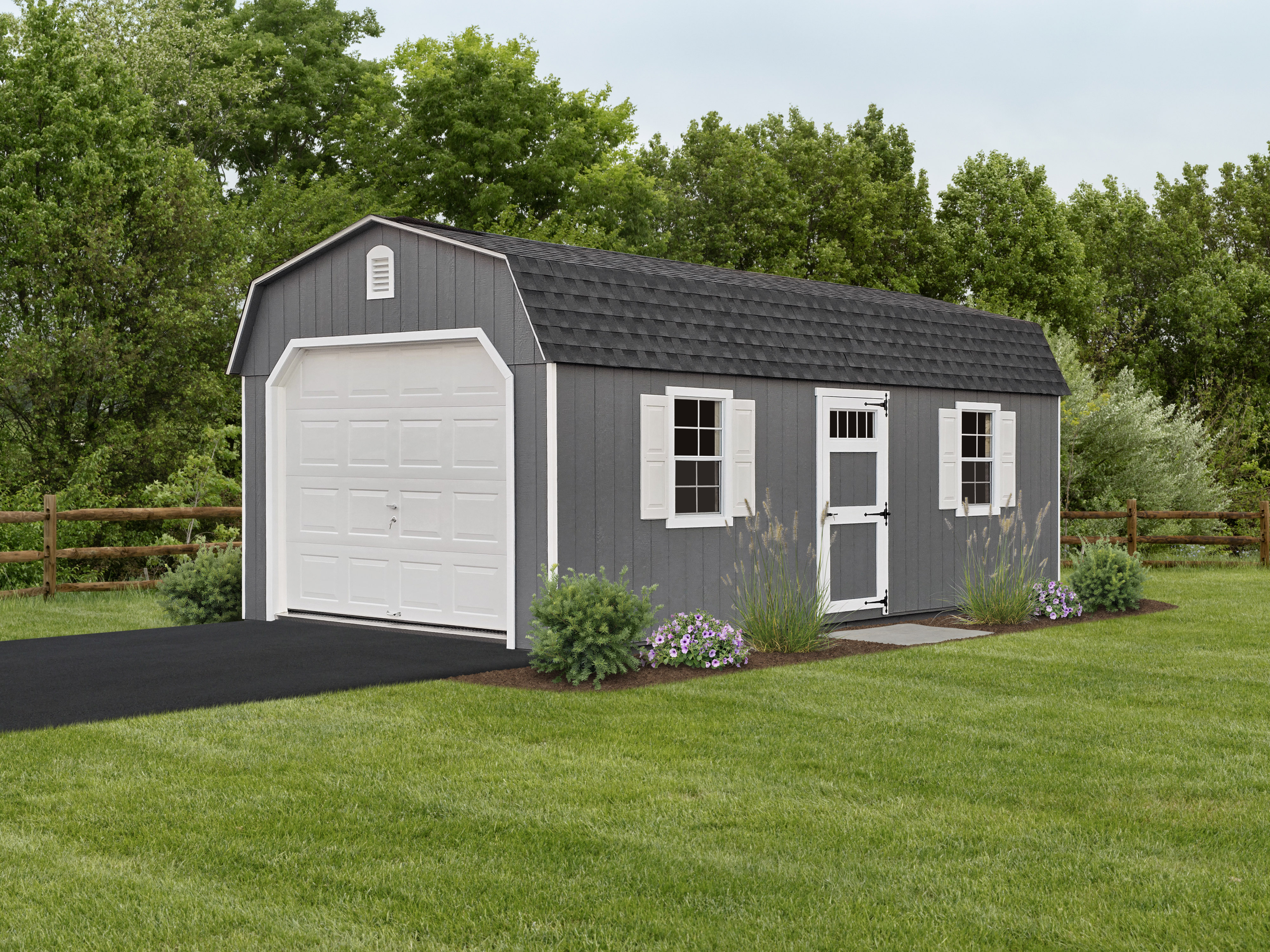
Sustainable Futures: How Tiny Homes Are Leading the Eco-Living Movement Jun 21, 2026
Tiny homes, typically ranging from 100 to 400 square feet, provide an innovative solution to those interested in reducing their carbon footprint while embracing a minimalist lifestyle. One of the most significant benefits of tiny homes is their reduced environmental impact compared to traditional homes. They require fewer building materials, and many are designed using reclaimed or sustainably sourced materials, substantially lowering the demand on natural resources. This aligns with a key eco-living principle: minimizing waste and maximizing efficiency.
Water efficiency in tiny homes is another area where they shine, as many are equipped with advanced systems such as composting toilets and greywater recycling. These systems ensure water usage is minimal and managed sustainably, addressing one of the most pressing resource concerns in today's world. As climate change and population growth strain global water supplies, these features make tiny homes a beacon of responsible water management.
Energy efficiency is another hallmark of the tiny home movement. Most tiny homes are designed with tight building envelopes that maintain indoor temperatures efficiently, reducing the need for excessive heating or cooling. Many tiny homeowners also integrate renewable energy systems such as solar panels, further curbing reliance on fossil fuels and lowering utility bills. The shift to alternative energy sources not only benefits the environment but also aligns with a core principle of eco-living: self-sufficiency.
Mobility and flexibility are other appealing aspects of tiny homes that foster sustainable living. Many tiny homes are built on wheels, offering the flexibility to move without the environmental impact of traditional home relocations. This mobility allows homeowners to harmonize with seasonal changes more effectively, taking advantage of natural heating and cooling variations, which further underscores the adaptability and resourcefulness that define the eco-living movement.
Living in a tiny home also encourages residents to embrace a clutter-free, minimalist lifestyle. This not only leads to a deeper appreciation for quality over quantity but also reduces the consumption of non-essential goods, alleviating the burden on landfills and reducing personal environmental impacts. By focusing on what truly matters, tiny homeowners can lead more intentional lives.
Finally, the community-oriented approach fostered by tiny homes promotes a sustainable lifestyle at a societal level. Many tiny home communities prioritize shared resources and cooperative living practices. These communal efforts highlight collective responsibility and shared commitment to living sustainably, epitomizing the essence of eco-living.
In conclusion, tiny homes are not merely smaller versions of traditional homes; they are a paradigm shift towards more sustainable living. By offering reduced environmental impact, promoting energy and resource efficiency, and encouraging minimalist lifestyles, tiny homes lead the eco-living movement with innovation and practicality. At Old Glory Sheds & Outdoors, we are proud to champion this movement, empowering individuals and communities to live sustainably and consciously, ultimately paving the way for a brighter, greener future. Whether you’re seeking a simpler lifestyle or looking to reduce your carbon footprint, tiny homes offer a viable pathway to achieving a sustainable future.
/filters:no_upscale()/filters:format(webp)/media/8ff88f95-eca7-4f0f-aec4-386d0748a5f5.png)
/filters:no_upscale()/filters:format(webp)/media/b1b42ac9-daab-4bc8-a8bc-acb4b9d93e1e.jpeg)