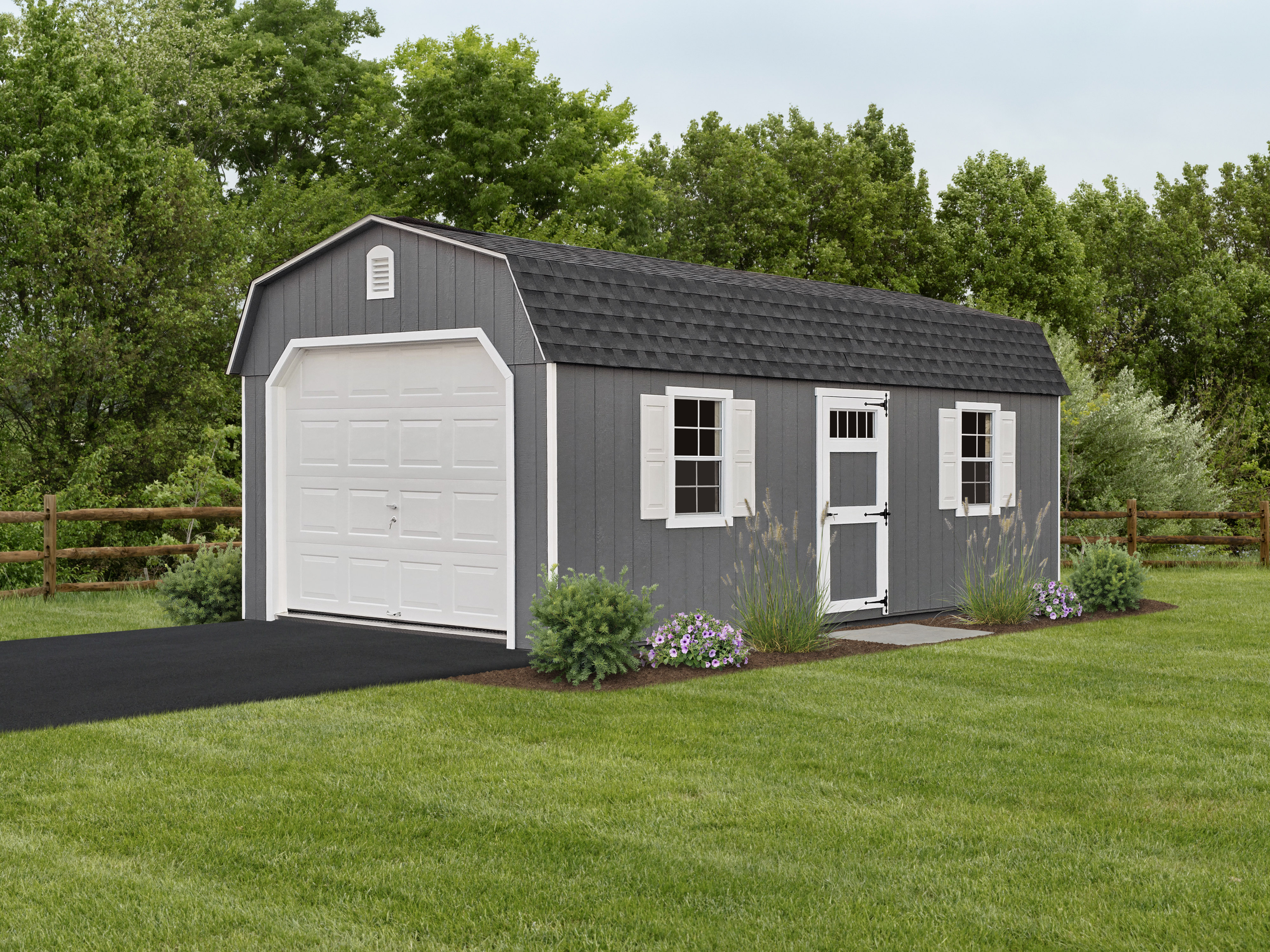
Adapting to Change: Building Tiny Homes for Different Climates Apr 20, 2026
Understanding climate adaptation is crucial when constructing a tiny home. Each climate zone presents unique challenges and opportunities, requiring specific design adjustments to enhance comfort and efficiency. Whether you're dreaming of building a tiny house in a humid coastal area, a chilly mountainous region, or a hot, dry desert, understanding how to adapt your home to its environment can be transformative.
For those considering tropical or humid climates, controlling moisture is essential. The longevity of your tiny home hinges on effective moisture management to prevent mold and structural damage. At Old Glory Sheds & Outdoors, we recommend incorporating features like vented roofs, high-quality insulation, and moisture-resistant materials. Additionally, large windows designed for cross ventilation can promote airflow, reducing indoor humidity levels and maintaining a fresh, comfortable space.
In colder climates, ensuring adequate insulation and heating is paramount. Tiny homes in these regions should prioritize high R-value insulation in walls, floors, and roofs to retain heat. Installing energy-efficient windows and doors can also help retain warmth. We advise using double or triple-pane windows for added insulation. Incorporating a small, efficient heating system, such as a wood stove or radiant floor heating, can keep your tiny home cozy during harsh winters, enhancing comfort while minimizing utility costs.
Those considering arid or desert climates must focus on heat reflection and cooling solutions. Tiny homes in such areas should be designed to reflect heat and utilize materials that minimize heat absorption. Consider lighter-colored exteriors and reflective roofing materials to reduce the thermal load. Strategically placed shading elements, like exterior awnings or native vegetation, can block direct sunlight and provide natural cooling. Additionally, evaporative coolers or strategically placed windows can facilitate natural ventilation and keep indoor temperatures comfortable.
Sustainability is another important consideration when adapting tiny homes for different climates. Renewable energy sources, such as solar panels, are increasingly popular and complement tiny home living by reducing reliance on traditional power sources. These systems can be tailored to your climate's typical weather patterns, ensuring consistent energy supply regardless of regional conditions.
At Old Glory Sheds & Outdoors, we emphasize sustainable building practices and customized solutions for all climates. Our team works closely with you to develop design features and material selections that minimize environmental impact while maximizing comfort. By focusing on sustainable materials, effective design, and energy efficiency, you can create a tiny home that's an eco-friendly haven tailored to its environment.
In conclusion, building tiny homes for different climates involves thoughtful design and strategic planning. By incorporating climate-specific features, your tiny home can remain comfortable and efficient year-round. At Old Glory Sheds & Outdoors, we're dedicated to helping you craft a tiny home that meets your personal needs and environmental conditions. With our expertise and commitment to quality, transitioning to tiny home living has never been more appealing or accessible. Whether you're embracing minimalism or seeking a more sustainable lifestyle, let us help you make your tiny home dreams a reality.
/filters:no_upscale()/filters:format(webp)/media/8ff88f95-eca7-4f0f-aec4-386d0748a5f5.png)
/filters:no_upscale()/filters:format(webp)/media/b1b42ac9-daab-4bc8-a8bc-acb4b9d93e1e.jpeg)